White Tea
Brewing tutorial for "Ice Sugar Sweet White Tea" from Daxueshan: Six steps to brew "Ice Sugar Sweet"
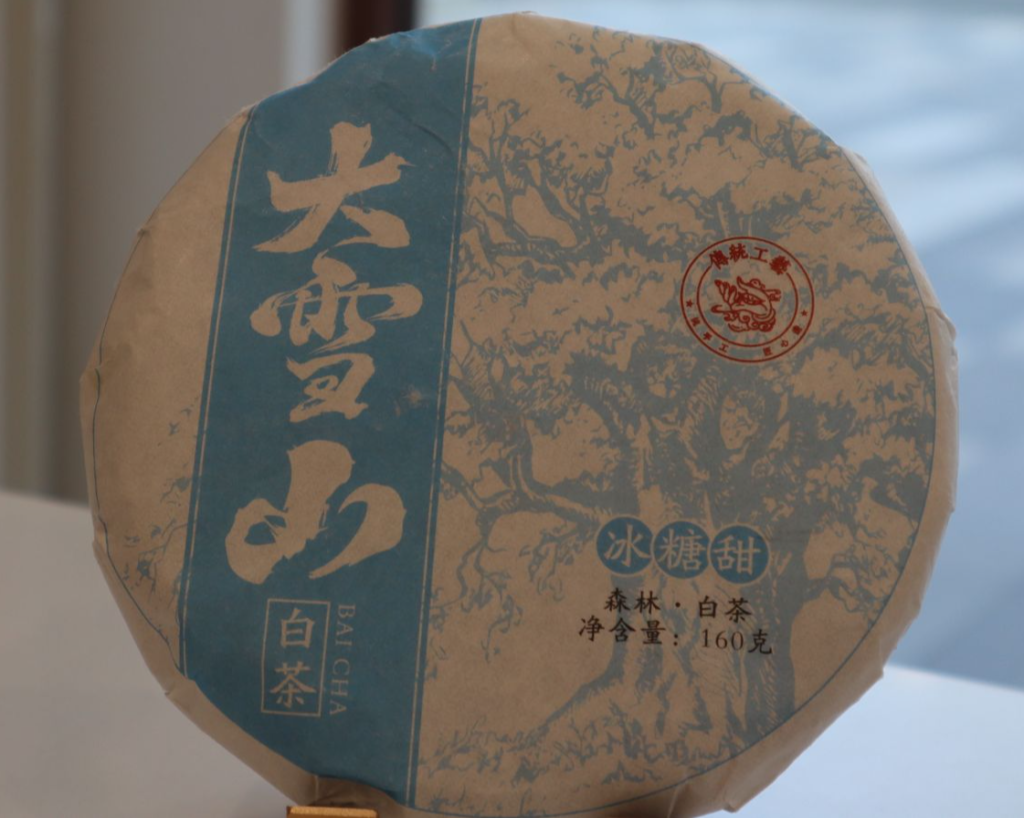
1. First, understand clearly: What makes rock sugar sweet?
It isn’t sugar or flavorings that give it its sweetness. What’s described is a delicate sweetness that develops slowly on the middle part of the tongue and the cheeks after tasting it—like having a small piece of rock sugar melting in the mouth. The sweetness isn’t cloying, and a lingering aftertaste remains in the throat after swallowing.
This sweetness comes from two sources:
**Ingredients:** High-mountain large-leaf tea leaves from the Daxueshan region. These leaves contain rich nutrients, with buds covered in white hairs. These white hairs are rich in amino acids, which contribute to the sweetness and delicate aroma of the tea.
**Processing:** White tea isn’t fried or rolled. It’s only allowed to wither naturally. Without high-temperature processing, soluble sugars and amino acids are preserved, while bitter compounds aren’t activated.
The key is to recognize that rock sugar sweetness is delicate, refreshing, and leaves no unpleasant aftertaste.
II. Why is it called “Daxueshan”?
Daxueshan is a name used to describe certain tea-producing regions. Yunnan has several such areas (Mengku, Bangdong, Lincang, etc.). Their common characteristics include high altitudes, dense forest coverage, frequent fog, and large temperature differences between day and night.
In these conditions, two things happen to the tea leaves: there’s more diffused light and larger temperature variations, resulting in higher amino acid levels. Additionally, the slow growth rate leads to lower levels of bitter and astringent compounds. This is what gives the tea its sweet taste, and it’s also why this tea is called “Forest White Tea”.
Note: For exact altitude, tree age, and location, please refer to the product packaging and test reports. There are significant differences in the quality of Daxueshan tea from different regions. Don’t rely solely on the name.
III. Brewing Instructions: Six Steps
Parameter Reference
Utensils: 110ml white porcelain gaiwan (preferred – doesn’t absorb flavors, distributes heat well); Glass cups are useful for observing the tea color; Teapot is used for the last rinse water.
Water Temperature: For fresh/loose tea: 90–95°C; For compressed tea/tea stored for over 3 years: 100°C
Tea Quantity: 5g per 110ml (about 1:22 ratio); Increase to 6g for stronger flavor.
Tea Awakening: Fill the gaiwan quickly, let it sit for 5 seconds, then pour out the water. For tightly compressed tea, repeat this twice.
Infusion Timing: First 1–3 infusions: 5 seconds each; 4–6 infusions: increase by 5 seconds per infusion; After 7th infusion: increase by 10 seconds per infusion.
Final Rinse: After 8th infusion, use the teapot to rinse the tea leaves.500 ml of water should be brought to a boil, then simmered over low heat for 2–3 minutes.
There are six steps in the process.
Warming the utensils:
Run boiling water over the gaiwan, measuring cup, and tasting cup, then pour the water away. Cold utensils will absorb the heat quickly, preventing the sweet flavor from being fully released in the first infusion. Most people skip this step, but it’s a common mistake that beginners make.
Removing the tea leaves:
For compressed tea, use your fingers to separate the leaves from the edges, not by poking them from the center. Take about 5g of tea leaves, trying to keep them intact. If the leaves are crushed, the bitter taste will become apparent in the first two infusions.
“Waking” the tea (Rinsing the tea):
Pour 90°C water along the sides of the gaiwan. After 5 seconds, pour the water away. Before discarding the water, smell the gaiwan lid: if it smells like sweet rock sugar, then the tea is ready. If there’s a strong grassy smell, rinse the tea again. If the loose tea was stored properly, this step can be skipped, and you can drink the first infusion right away.
First infusion
Pour water along the sides of the bowl, avoiding direct contact with the tea leaves. Let it steep for 5 seconds. The tea liquor is a light apricot-yellow color, with a sweet taste and distinct tea aroma. This first infusion is crucial for assessing the quality of the tea—if it’s sweet and clean, the rest of the infusions will be good as well.
Middle stage (infusions 4–8)
Increase the water temperature to 95–100°C, and extend each infusion by 5–10 seconds. During this stage, the sweetness becomes more pronounced. The tea liquor changes from a light apricot-yellow to a bright, translucent yellow, with a longer-lasting aftertaste. This is the best part of the entire brewing process.
Final infusion
Don’t discard the tea leaves. Add them back to the teapot and let the water boil over low heat for 2–3 minutes. This gives a richer, sweeter flavor, with hints of jujube. Perfect for winter.