White Tea
The beauty of tea, Baihao Silver Needle: a cupful that captures the freshness and vitality of spring
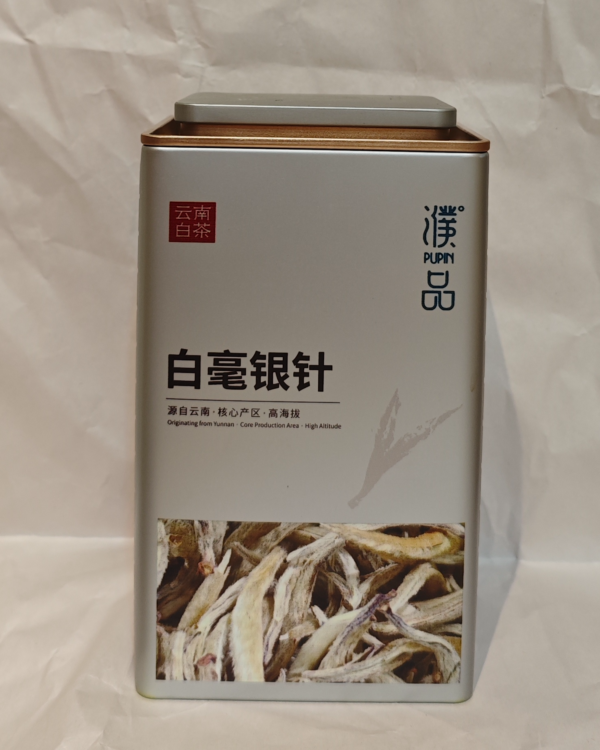
In the world of tea, when it comes to character and appearance, Baihao Yinzhen definitely deserves the reputation of "beauty among teas" or even "tea king".
It originates from Fuding and Zhenghe in Fujian, boasting a history of over a century. As early as the Qing Dynasty, it gained international renown and was popular in Europe and America, commanding a high price. The rarity of Baihao Silver Needle lies in its exclusive use of plump, single buds from newly sprouted tea trees in spring. The picking requirements are extremely stringent, with the famous "Ten Don'ts" principle: no picking on rainy days, no picking of thin buds, and no picking of buds damaged by wind. Due to its scarcity, the annual production is limited, making it a rare treasure among teas.
What is "Silver Needle"? When you open a can of high-quality Baekho Silver Needle, you will see buds covered with white hairs, straight as needles, white as silver, and shining with luster. Its production process returns to the basics, without frying or rolling, relying solely on sun-withering and slow-fire baking, maximizing the retention of the tea's authentic original flavor and aroma.
What's in this cup of tea? White Hair Silver Needle not only boasts excellent flavor, but also contains rich amino acids, tea polyphenols, vitamins, as well as trace elements such as zinc and selenium. It can not only refresh the mind and eliminate fatigue, but also contains abundant vitamin A precursors, which is beneficial to the eyes and ideal for modern office workers who overuse their eyes. There is a folk saying that goes, "One-year tea, three-year medicine, seven-year treasure" for white tea, indicating that it becomes more valuable as it ages.
How to savor this cup of spring? When brewing White Hair Silver Needle tea, it is recommended to use a transparent glass cup, and the water temperature should be between 70°C and 80°C. Watching the buds slowly unfold in the water, sometimes floating on the surface and sometimes sinking to the bottom of the cup, each one standing upright and interlacing up and down, is like a spectacular sight of bamboo shoots after a rain. After about five or six minutes, the tea soup turns light apricot yellow. When you drink it at this point, the aroma is fresh and clear, the taste is mellow and sweet, and the aftertaste lingers in your throat.
A cup of Baihao Yinzhen tea brings you the morning light and fresh breeze of the mountains, as well as the most elusive lightness and tranquility of spring. 🌱