Black Tea
What is Lapsang Souchong
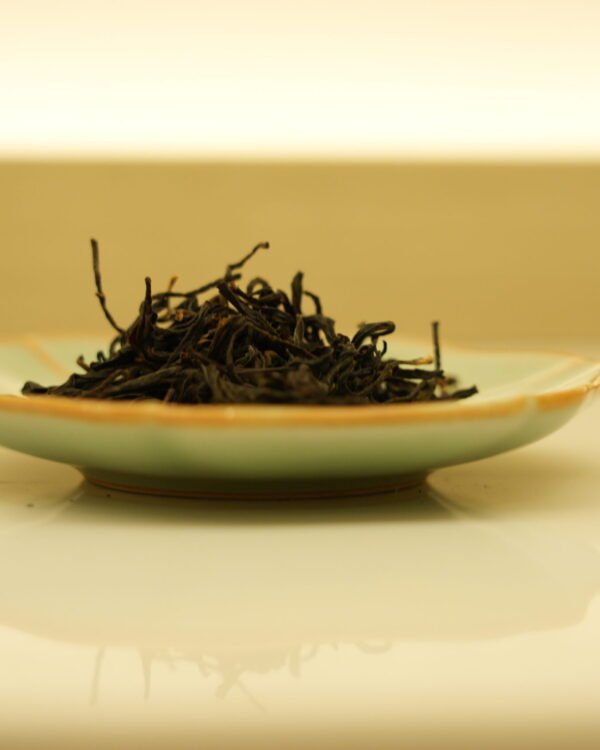
When talking about black tea, many people first think of Lapsang Souchong, gentle, sweet and suitable for all seasons. Unlike the bold and outspoken Yunnan Black Tea or the delicate luxury of Jin Junmei, it has become the daily favourite black tea for countless tea lovers with its unique relaxing smoky charm.
As the world’s first true black tea, Lapsang Souchong boasts a history of more than 400 years and is deservedly known as the ancestor of black tea. Many people have drunk it for years yet still struggle to tell it apart from ordinary Souchong black tea, nor understand where its distinctive aroma comes from. In this article, we break down all the core knowledge about Lapsang Souchong. Even beginners can easily understand and appreciate it.
01 What does “Lapsang Souchong” mean? Every character carries meaning
Many wonder, with so many types of Souchong black tea on the market, what defines authentic Lapsang Souchong? In fact, its name holds all the answers.
**Lapsang (Zhengshan / True Mountain):**
It specifically refers to the core tea-growing zone inside the Tongmuguan National Nature Reserve in Wuyi Mountain, Fujian, alpine tea gardens at altitudes of 1000–1500 metres. This region features pure ecosystems, abundant cloud cover and suitable temperature differences, yielding tea leaves with rich inner substances and pure flavour. Teas produced outside Tongmuguan are only called Waishan Souchong (Outer Mountain Souchong), not genuine Lapsang Souchong. This is the key to distinguish real from counterfeit tea.
**Souchong (Small Variety):**
It means the tea is made from local native sexual-group vegetable tea. These tea bushes grow from natural seeding rather than artificial cuttings. The buds and leaves are small yet plump, packed with abundant active compounds. It also represents refined traditional handcrafting methods, different from bulk mass-produced black teas.
Simply put: genuine Lapsang Souchong must come from the core Tongmuguan region, made with native vegetable tea raw materials and crafted following traditional techniques.
02 A Hundred-Year Story: A Black Tea Legend Born by Accident
The birth of Lapsang Souchong is a romantic accident in tea history. In the mid-to-late Ming Dynasty, Tongmuguan in Wuyi Mountain was a major tea-producing area. Legend has it troops were stationed in the tea plantations during harvest season. Fresh tea leaves piled up and could not be dried timely, naturally fermenting and darkening in the warm humid environment.
Tea farmers hated to waste the leaves. To save the crop, they used local Masson pine firewood to dry the tea. Unexpectedly, they created an unprecedented tea aroma and flavour: elegant pine smoke wrapped within the mellow sweetness of tea soup, uniquely flavoured with long-lasting sweet aftertaste. This accidentally discovered tea was the earliest Lapsang Souchong.
For centuries after, Lapsang Souchong travelled out of deep mountains. In the 19th century, it was exported to Europe via Fuzhou port. It once served as afternoon tea for the British royal family and gained huge popularity overseas. It became a cultural ambassador for Chinese tea and secured its title as the ancestor of world black tea.
03 The Soul Craft: Pine Smoke Aroma, Its Signature Mark
All black teas go through withering, rolling, fermentation and drying. What sets Lapsang Souchong apart are two exclusive extra processes, its irreplaceable secret.
The most critical steps for traditional Lapsang Souchong are high-temperature pot fixation and pine smoking. After fermentation, tea leaves go through high-temperature pot fixation to lock flavour and remove green harshness, followed by re-rolling for shaping. Finally, they are slowly smoked and gently roasted over firewood from Wuyi Mountain’s Masson pine.
The warm smoky scent of pine slowly penetrates deep into the tea, forming its iconic pine smoke aroma paired with dried longan sweetness. The fragrance is steady, not pungent, rich but not thin. Fully roasted, Lapsang Souchong has a mild nature and loses all cold properties. It is one of the few black teas suitable for people of all ages in every season.
04 Authentic Flavour: Recognise at Sight and Taste
Beginners need not struggle when selecting tea. Remember the four traits of Lapsang Souchong — appearance, liquor colour, aroma and taste — to avoid fakes easily:
- **Appearance:** Tight, sturdy, jet-black and glossy strips, some with fine golden hairs. Even and clean, free of excessive crumbs or discoloured fragments.
- **Liquor colour:** Clear, bright orange-red or amber with strong lustre, no cloudiness or sediment. A beautiful golden ring forms when cooled.
- **Aroma:** Multi-layered. Elegant pine smoke first, then sweet notes of dried longan, caramel and honey. Smoke and floral-fruity sweetness balance perfectly.
- **Taste:** Soft, smooth, full and mellow on the palate with barely any astringency. After swallowing, sweet lingering sensation stays in mouth and throat — what veteran tea drinkers call “longan soup flavour”.
05 Two Main Styles — Pick the Right One for Your Taste
Today’s Lapsang Souchong falls mainly into traditional smoked style and modern sweet style for different preferences:
**Traditional Smoked Lapsang Souchong:** Prominent strong pine smoke and rich longan sweetness. Deep, mellow flavour with high recognisability. Ideal for seasoned tea lovers who enjoy vintage smoky tea. Perfect for autumn and winter drinking.
**Modern Sweet Lapsang Souchong:** Reduced pine smoke, enhanced floral and fruity sweetness. Clean, sweet and delicate taste with light smoky notes. Better for beginners and daily drinking. Great for cold brew in summer and hot brew in autumn and winter.
06 Brewing Guide for Beginners: 4 Simple Steps for Perfect Tea
Lapsang Souchong is highly infusion-resistant, normally brewed for 5–7 rounds. With simple tips, beginners can make mellow sweet tea without bitterness or thin flavour.
1. **Warm the teaware:** Rinse teapot and cups with boiling water to warm them up and release aroma better.
2. **Tea-to-water ratio:** 3–5 grams dry tea for 100ml water, ideal strength for daily drinking.
3. **Water temperature:** 95℃–100℃ boiling water is preferred. High temperature fully brings out pine smoke and sweet fragrance.
4. **Steeping time:** Quick pour-out within 3–5 seconds for the first 3 infusions. Gradually extend steeping time in later rounds to preserve sweetness.
Besides straight brewing, Lapsang Souchong pairs beautifully with milk or honey. Homemade milk tea is smooth, not cloying, rich with tea aroma, far healthier than commercial milk tea.
07 Why Do So Many People Love Lapsang Souchong?
Amid countless emerging black teas, Lapsang Souchong remains a classic not merely for fame, but for incredible versatility.
It has no tricky harsh taste, fitting every season, every person and every occasion. A cup in the morning warms your stomach; an afternoon cup cuts greasiness and soothes you. On cold autumn and winter nights, it chills away weariness.
It carries the mountain charm of Wuyi Mountain and four hundred years of tea history. It holds both the relaxed warmth of mortal life and mellow depth shaped by time. Once the tea soup slides down your throat, elegant pine smoke and lasting sweetness deliver gentle comfort for everyday moments.
Closing Thoughts
If black tea has an original heart, it must be Lapsang Souchong. Born from an accident, preserved through centuries of dedication. Pine smoke as its bone, sweetness as its soul. Quiet and unassuming, it nourishes every tea drinker gently.
You do not need expensive trendy teas for daily enjoyment. A cup of authentic Lapsang Souchong brings solid, soothing tea joy.