White Tea
How to choose white tea
A Four‑Step Method for Choosing White Tea (Even Beginners Can Do It)
Step 1: Look at the dry leaves
Good white tea has intact leaves, visible downy hairs (pekoe), and a natural colour – Silver Needle is silver‑white; White Peony is green with white tips; Gongmei and Shoumei are grey‑green or brownish. If the leaves are broken into many fragments, or if the colour is dark or blackish, skip it.
Specifically:
Silver Needle – plump, straight buds, densely covered in white fuzz, like spring bamboo shoots just emerging – full and round.
White Peony – one bud with one or two leaves, the bud and leaves joined naturally; the leaves curl around the bud like the petals of a peony.
Shoumei – larger leaves with stems, the leaves spread out and the stems are quite thick.
Step 2: Smell the aroma layers
You should smell the tea in two stages. First, sniff the dry leaves: fresh white teas have a “lively” fragrance – Silver Needle offers a sweet, grassy “hao” (downy) aroma, while White Peony has a fresh orchid scent. Aged white teas have a “settled” fragrance – Shoumei over three years old gives a warm jujube‑like note, and White Peony over five years develops a light medicinal/herbal aroma.
If the dry leaves smell burnt, musty, sour, or unnaturally sharp and pungent, the tea was probably poorly processed or even artificially flavoured. Don’t take it even for free.
Step 3: Taste the liquor
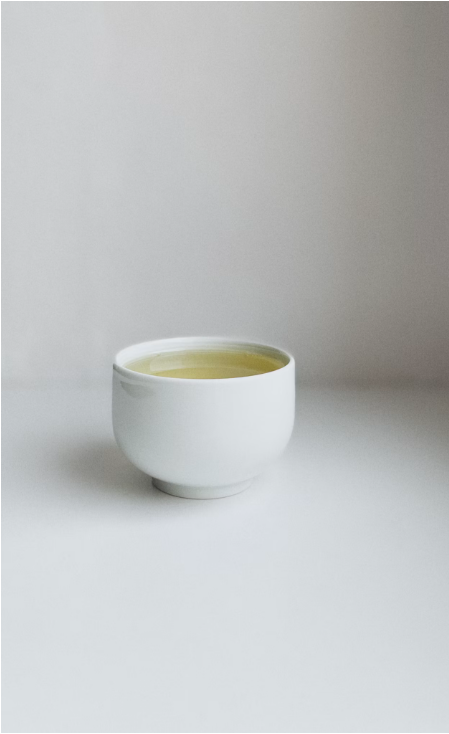
The liquor of good new white tea is clear, bright, and apricot‑yellow; aged tea is amber‑coloured and crystal‑clear. If the tea is dull, reddish, or cloudy orange‑red, there’s likely a problem.
In terms of mouthfeel, authentic new tea is clean, sweet, and refreshing; aged tea is mellow and smooth. Problematic teas turn bitter and astringent after just 3 infusions, lose their flavour quickly after 5 steeps, or leave a dry, scratchy sensation in the throat. Genuine aged white tea yields a clear liquor, goes down smoothly without coating the throat unpleasantly, has a sweet aftertaste, and can be brewed for ten or more steeps and still deliver flavour.
Step 4: Spot “artificially aged” tea
The biggest trap in the white tea market is fake aged tea – new tea dressed up to look old. But it’s actually quite easy to identify:
Color is too uniform – that’s a red flag. Naturally aged white tea shows a “rainbow” of colours – the white down turns silvery grey, some leaves remain green, others turn brown or yellow, with gradual transitions. Fake aged tea is uniformly brown or black, as if wearing an “old‑age costume.” If it’s pitch‑black all over, something is definitely wrong.
Aroma is just one‑note “stale” – not right. Naturally aged white tea gives off lotus‑leaf notes at 3‑8 years, jujube fragrance at 8‑15 years, and a medicinal scent beyond 15 years. Fake aged tea often has only a single, flat stale smell, sometimes even mouldy – the aroma feels “dead.”
Here’s a handy mantra to remember: Check the label, smell the layers, observe the colour, taste the brew, and buy from a trusted source. Look for the GI and SC marks, evaluate whether the aroma is natural, see if the dry leaf colour matches the liquor, verify the flavour by tasting, and always choose reputable channels.