Green Tea
Pu-erh raw tea brewing guide
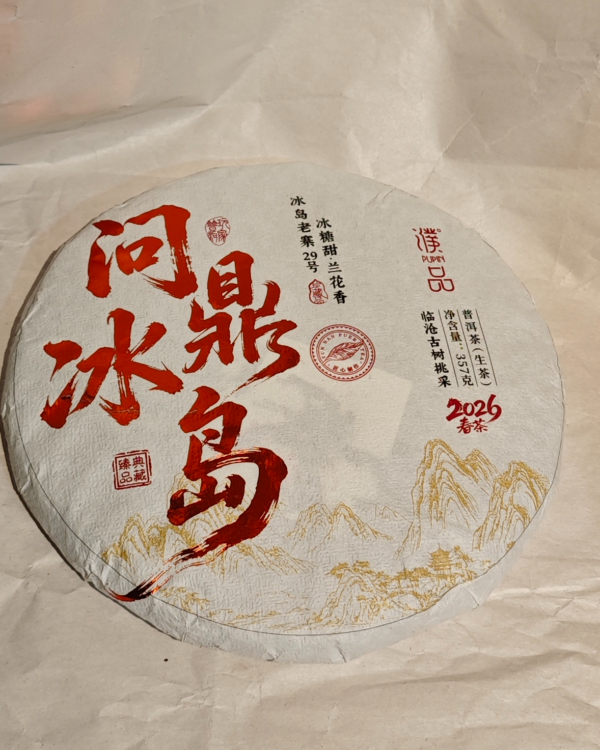
First, read the tea, then determine the water temperatureRaw tea is not a single type of tea, but a category of tea spanning three decades. If the parameters are incorrect, even the best ingredients will be brewed into bitter water.
Judge by yearNew tea (1-3 years old): The greenish aroma is not yet faded, the bitterness and astringency are prominent, and the fragrance is intense. The key is to cool down and brew quickly - within 95℃, if the infusion is slightly slower for a second, it will lock the throat. The fear is of "cooked tea flavor", which refers to the tender buds being smothered and cooked by high temperature.Intermediate-aged tea (5-10 years): The astringency turns into softness, the tea soup begins to thicken, and honey sweetness, fruity aroma, or woody scent emerge. It can withstand boiling water, has a steady rhythm, and has the highest tolerance for errors.Aged tea (over 10 years): It has a mellow aroma, medicinal fragrance, and ginseng aroma, with a thick and smooth tea soup. It requires high temperature to bring out the aroma, using 100℃ boiling water, and even watering outside the teapot for heat retention; the last part can be steeped or boiled.Judged based on raw materials and warehousingHigh tenderness (individual plant, pure buds from ancient trees, palace-grade): reduce the water temperature by another 3–5 ℃, using 88–92 ℃.Coarse branches, old leaves, and yellow pieces, mixed ingredients: they are not afraid of being boiled, and boiling water can even bring out their sweetness.Tightly compressed tea (cake/brick/tuo): It is necessary to first pry it apart and let it "awaken" or "condition" the tea leaves. Otherwise, the outer layer will release its flavor, while the core remains untouched, resulting in the first few infusions having a strong "water taste".Tea with a damp storage or strong storage odor: After prying it loose, let it sit in an open container for 2-4 weeks. When brewing, moisten the tea twice, and discard the first brew directly if necessary.
Selection of waterWater is the backbone of tea soup. Opt for soft water: natural mineral water or purified water with a TDS of 50–150 is ideal. Avoid three types - repeatedly boiled "dry boiled water" (depleted of dissolved oxygen, resulting in a dull tea soup), well water/tap water with excessively high hardness (darkening of the tea soup color, increased astringency), and distilled water with excessively high purity (thin tea soup, fragrance dissipated).
Recommended Configuration110ml white porcelain gaiwan + fair mug + white porcelain tea cup + tea strainer + tea needle + electronic scale (accuracy 0.1g). There's no need to buy a thermometer. After the water boils, open the lid and let it sit for 30 seconds at about 95℃, and then let it sit for 2 minutes at about 90℃. This is sufficient for use.
Eight steps of standard processThe complete action chain of brewing with gaiwan, each step has its reason.
Warm cups and clean utensilsAfter boiling water to wash the gaiwan, fair cup, and tea cup, pour it out. The cooler will instantly absorb 5–10 ℃, and the aroma will directly collapse by one level.Appliance temperature = aroma thresholdTea pryingThe tea needle is inserted from the indentation or side of the cake, and after being inserted parallel to the cake surface, it is gently shaken to allow the tea leaves to naturally separate, prying out "blocks" rather than fragments. Pressing down first and hearing a slight "click" sound before inserting the needle is the most effortless way.More powder = stronger bitterness"Xing Cha"After prying and dispersing, place it into a clean and odorless purple sand pot or ceramic pot, filling it two-thirds full. Protect it from light and moisture, and let it sit for 1-2 weeks; for aged tea or tea stored in a damp warehouse, extend the period to 2-4 weeks. For temporary consumption, it can be placed in a kraft paper bag overnight. This step awakens the dormant internal substances and dissipates the warehouse odor.Pressing old tea is a mustPour teaThe electronic scale shows 7g (110ml gaiwan). The error when grabbing by hand often exceeds ±50% - loose tea leaves in strands and tightly compressed tea have a significant difference in volume, making it unreliable to rely solely on hand feeling.1:16 tea-to-water ratioWet tea (wash tea)Slowly pour boiling water along the bowl's wall until it covers the tea leaves. Use a lid to skim off the foam. Let it sit for 5-10 seconds, then quickly pour out the tea. Loose tea should be steeped and drained immediately; for tightly pressed tea, extend the steeping time to 15-30 seconds; for aged tea or tea stored in a damp warehouse, steep twice for moisturizing. Don't waste the steeping water for moistening the cups.Awakening, not washing away dirtwater injectionThe water line should be thin and steady, and it should be poured along the wall of the bowl in a circular manner. Avoid pouring directly into the center of the tea leaves - that will damage the leaves and cause bitter and astringent substances to precipitate instantly. To evoke aroma, use a high pouring method (for new tea), and to achieve a thick and smooth soup, use a low pouring and slow filling method (for aged tea). Fill the cup to the brim, scrape off the foam, and leave a 1mm gap for the lid.Fixed-point low betting is the safestServe the soupPress down on the wrist to fully extract and drain the tea. Yunnan's large-leaf tea has rich internal qualities, and the first few brews will become too strong if steeped too slowly. Leaving the tea undrained is like planting bitter roots for the next brew - the remaining tea leaves will continue to leach out.Fast · Clean · No Residue"Serve the soup and savor the aroma"First, pour the tea into a fair cup to even out the portions, then divide the cups. Before drinking, smell the aroma from the lid and the bottom of the cup: for new tea, check if the floral and honey fragrances are fresh and clear; for aged tea, check if the aged and medicinal aromas are pure and free from any off-flavor.