Tea Lore
How Did Ancient Chinese People Enjoy Tea? Some lesser-Known Fun Tea Tales to Explore Timeless Tea Elegance
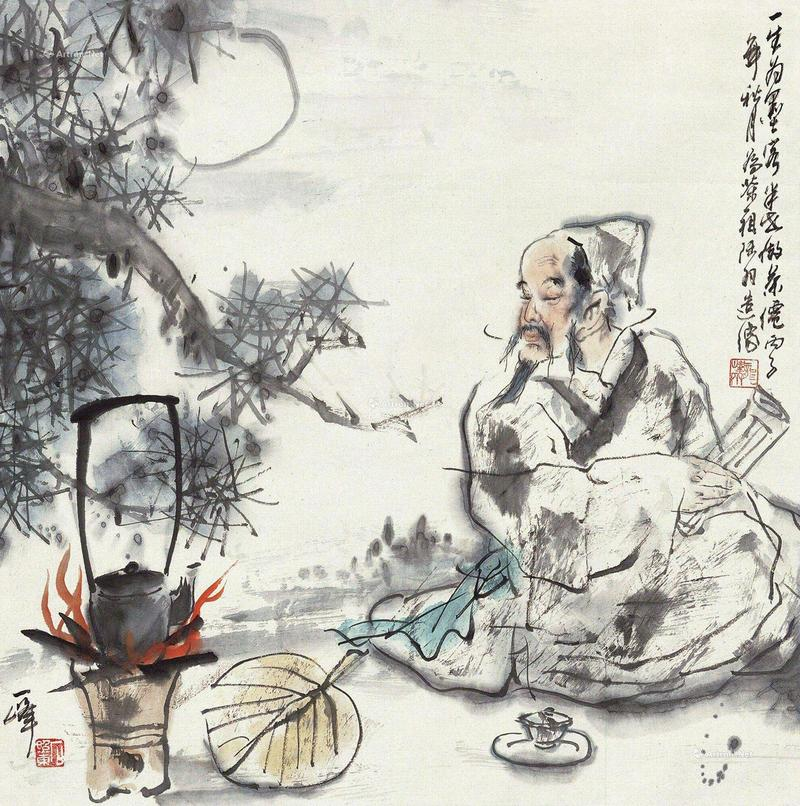
Today, drinking tea is a simple daily pleasure to relax and refresh. However, thousands of years ago, tea was far more than just a drink for ancient Chinese people. It was a refined pastime for scholars and nobles, filled with charming, amusing little stories. Skip the complicated tea theories, and let’s dive into these lively anecdotes. You’ll see that the gentle leisure we love can be traced all the way back to ancient years.
1. Tea in the Wei-Jin Dynasty: An Embarrassing "Water Calamity"
Tea is beloved worldwide now, yet it was once an acquired bitter taste long ago. During the Wei and Jin dynasties, tea was not widely popular. Most nobles and scholars preferred wine and found strong, bitter tea hard to enjoy.
When visiting a friend’s home, guests would be served brewed tea. Even if they disliked its bitter flavour, politeness forced them to drink it. People jokingly named tea “Water Calamity” — meaning “a disaster brought by tea water”.
Friends would tease each other before gatherings: “I fear I will suffer the water calamity at today’s feast!” Having to drink tea was treated like bad luck. It’s hard to imagine that the soothing tea we enjoy today was once seen as a bitter ordeal by the ancients.
2. Li Qingzhao & Zhao Mingcheng: Spilled Tea and Eternal Romance
One of the most heartwarming tea stories belongs to the talented Song dynasty poet Li Qingzhao and her husband Zhao Mingcheng. Both were book lovers and passionate tea drinkers. In their quiet retreat, they invented a fun game known as “betting over books for tea”.
After every meal, they sat in their study with tea and piles of ancient books. They would quote a line from history, competing to be the first to name its source. Whoever answered correctly got to drink tea first.
Li Qingzhao was quick-witted and knowledgeable, so she almost always won. Overjoyed with victory, she lifted her teacup and laughed so hard that tea spilled onto her robe. The study was filled with the scent of tea and happy laughter. Simple days were made sweet by a cup of tea.
After Zhao Mingcheng passed away, those happy memories haunted Li Qingzhao. She wrote her famous line:
We bet on books and spilled tea; back then, I took these sweet moments for granted.
Those lighthearted moments of spilled tea became her most precious memory. A cup of tea carries joy, separation and gentle nostalgia.
3. Ni Zan’s Obsessive Tea Ritual: Extreme Ancient Perfectionism
Ni Zan, a famous painter of the Yuan dynasty, was well-known for his extreme cleanliness obsession. His strict standards extended fully to making tea, leaving a famous story for later generations.
Ni Zan loved brewing tea and demanded the purest spring water. He often sent his servant boy into the mountains to fetch water from Qibao Spring. There was a strict rule: water in the front bucket was for brewing tea; water in the back bucket was only for washing feet.
People were confused and asked why. Ni Zan explained: as the servant walked forward, the front bucket stayed clean, untouched by dust or breath, perfect for tea. The rear bucket was tainted by dust and the carrier’s breath, too impure for tea, so it could only be used for other things.
To modern readers, this may sound overly fussy. But it shows the ancients’ sincere respect for tea. In their eyes, tea is an elegant thing; only pure spring water and a pure heart can bring out its true flavour.
4. Lu Yu Tasting Water: The Tea Sage’s Legendary Skill
Lu Yu, honoured as the Sage of Tea, mastered tea and understood water better than anyone. One famous tale shows his incredible talent for identifying spring water.
It’s said that Li Jiqing, a Tang dynasty official, met Lu Yu and heard about his extraordinary skill. He ordered his boatman to fetch water from the Nanling spring in the middle of the river for tea. On the way back, the boatman spilled some water. To save trouble, he secretly topped up the bucket with river water from the shore, thinking no one would notice.
When the water arrived, Lu Yu took one small sip and said immediately: “This is shore river water, not the genuine Nanling spring water from the river centre.” The boatman was shocked but denied it. He returned to collect real mid-river spring water. After tasting it, Lu Yu smiled and confirmed: “This is the true Nanling spring water!”
The boatman was amazed and confessed his lie. With just one sip, Lu Yu could tell where the water came from. It proves that great tea depends on the right season, place, and a devoted heart.
Closing Thoughts
From the dreaded “water calamity” of the Wei-Jin period, to Li Qingzhao’s playful spilled tea, from scholars’ strict rituals to the Tea Sage’s deep knowledge — ancient tea drinking was never only about flavour.
A cup of tea carries everyday warmth, romantic poetry, and the timeless calm of Chinese culture. When we brew and taste tea today, we savour not only the aroma, but also the gentle poetic leisure passed down for thousands of years.