Teaware
Ancient Sun-Dried Tea: Let Sunshine Brew Tea Slowly
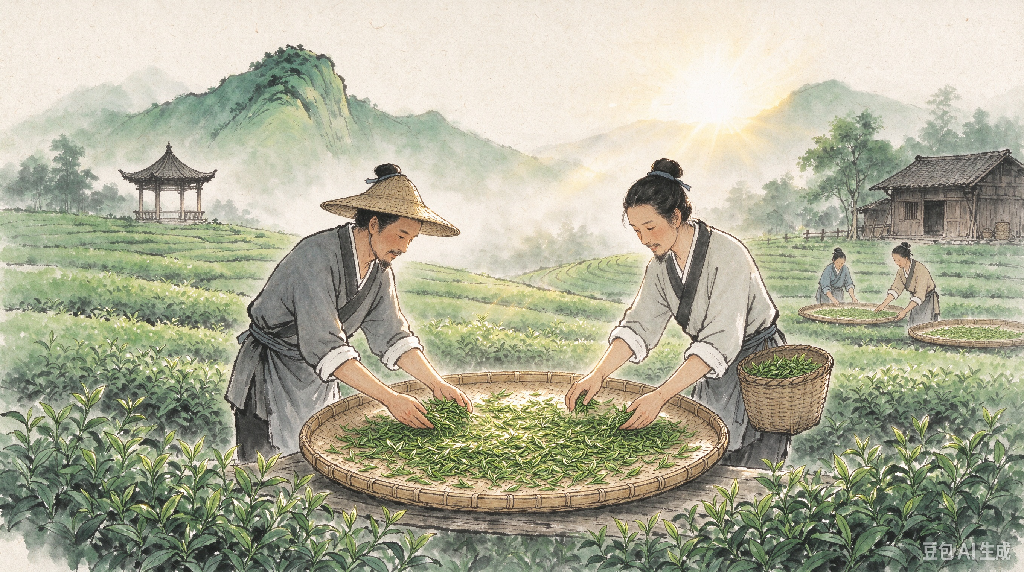
Most modern tea is machine-dried at a constant temperature and produced on streamlined lines — efficient, uniform, and standardized, yet lacking the warmth of human craft and nature. Ancient sun-dried tea embodies the slow wisdom of our ancestors. It chases no speed, relies on no mechanical force. Taking natural weather as the stove and sunlight as the craftsman’s hand, it allows fresh mountain tea leaves to settle and develop the purest tea charm nourished by wind and light.
An old tea saying goes: “Tea blessed by heaven’s timing is precious.” The essence of ancient sun-dried tea is never simple drying, but a precise harmony between humanity and nature. Abandoning high-temperature mechanical rapid drying, it follows the rhythms of seasons, sunshine and rain, entrusting the transformation of tea entirely to nature. This is the core charm that distinguishes ancient handmade tea from machine-made tea.
🌿 From Fresh Leaves to Dry Tea: Meticulous Ancient Craft in Every Step
Fine tea originates from picking and matures under sun exposure. Every procedure of ancient sun-dried tea carries the craftsmanship passed down through generations, leaving no room for haste.
Step 1: Natural Withering to Remove Green Astringency
Tender tea leaves picked in the early morning carry dewdrops and fresh vitality from the mountains. They cannot be processed immediately. The leaves are spread thinly and evenly on bamboo sieves and left to wither naturally in a well-ventilated cool place for more than ten hours. Without artificial ventilation or heating, the leaves slowly lose surface moisture, shedding their raw grassy bitterness and subtly accumulating initial tea aroma, laying a solid foundation for subsequent flavor transformation. The thickness of the spread is meticulously controlled to ensure even withering, consistent moisture inside and out, and full retention of the tea’s original essence.
Step 2: Hand Fixation to Lock in Natural Flavor
Fully withered tea leaves undergo traditional hand fixation. Tea artisans stir-fry leaves slowly in iron woks over gentle fire, controlling temperature and duration purely by experience. Instant high-temperature treatment deactivates tea enzymes, halts excessive fermentation, and firmly locks in the fresh sweetness and natural mountain aroma while preventing the accumulation of bitter and astringent tastes. Unlike standardized machine fixation, hand fixation features mild temperature and gradual processing, best preserving the fresh, lively texture of tea leaves.
Step 3: Gentle Rolling to Shape Leaves and Condense Aroma
Still warm from fixation, the tea leaves are rolled manually — a crucial step in ancient tea making. Artisans adjust their strength with skilled hands, shaping the leaves into tight, neat strips. Gentle rolling breaks down tea cell walls moderately, releasing tea sap and concentrating the aroma. Excessive rolling makes tea soup turbid, while insufficient rolling results in weak taste. Only years of proficient craftsmanship can create well-shaped tea leaves with balanced internal substances.
Step 4: Sun-Drying – Ripening Flavor With Time (Core Procedure)
After rolling comes the most enchanting step of ancient tea making — natural sun curing.
On clear, sunny days, the rolled tea leaves are spread thinly on bamboo plaques, rooftop drying racks or high tea frames. Placed in well-lit and ventilated areas away from ground moisture, every leaf bathes evenly in sunlight. Free from mechanical constant-temperature intervention, excess moisture is slowly evaporated by natural sunshine and flowing breeze.
Sun-drying greatly tests patience and mastery of weather. The duration flexibly adjusts according to sunlight intensity and air humidity: shorter in strong sun, longer in soft, mild sunshine. Artisans turn the leaves frequently to observe color changes. The tea is ready to be collected only when the bright green leaves turn warm dark green with dry, flexible strips.
This prolonged sun exposure is far more than simple dehydration. The gentle warmth of sunlight activates deep substances in the tea, eliminating raw green flavors and forming a unique sun-kissed aroma and mountain vitality — a warm texture that high-temperature machine drying can never replicate.
☀️ Why Does Ancient Sun-Dried Tea Taste Better With Age?
Many people find ancient sun-dried tea softer in taste, richer in layers, and longer in sweet aftertaste than ordinary machine-made tea, all thanks to its “slowness” and “naturalness”.
Rapid high-temperature machine drying easily locks in green astringency and creates dry, fiery notes, resulting in thin tea flavor and fleeting aroma despite clean-tasting tea soup. In contrast, gentle and gradual natural sun-drying fully preserves active substances in tea, naturally fading bitterness and astringency while highlighting pure sweetness and honeyed fragrance.
The finished dry tea boasts a warm luster and pure sun-dried freshness. When brewed, the tea soup is clear and soft, smooth and sweet on the palate, with vivid mountain charm and a lingering subtle honey and sunlight warmth in the finish. More valuably, ancient sun-dried tea retains appropriate trace moisture and active enzymes, granting it excellent aging potential. Proper storage allows it to grow mellower and richer with time, maturing into a more profound flavor as years pass.