Dark Tea
Understanding Ripe Pu'er Tea: A Cup of Tea "Ripened" by Microorganisms
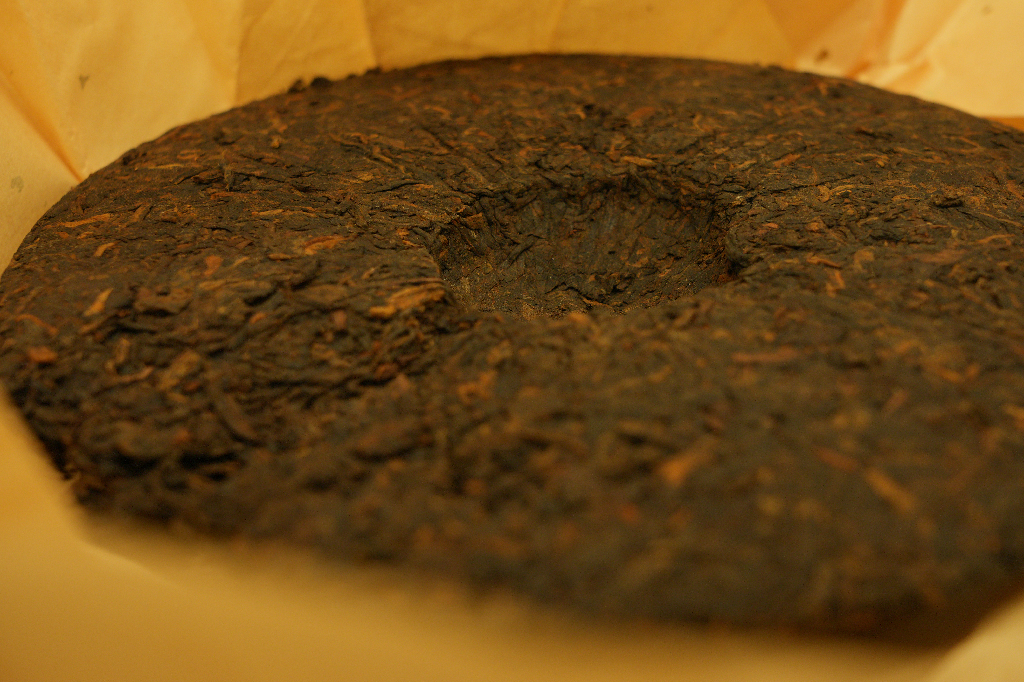
On the tea table, cooked Pu'er tea is often the one with the least presence. It is not like raw Pu'er tea, which has specific tea plantations and vintages to talk about, nor is it like rock tea, which has a unique "keng jian" (pit and stream) flavor, nor is it like green tea, which has that fresh taste of the first flush. But for regular tea drinkers, it is often the one that remains in their cups at the end.
The reason is simple: it doesn't taste bad. These four words actually represent a rare quality.
1. Ripe Pu'er is not "aged raw Pu'er"This is the most common misconception. Both may be made from the same Yunnan large-leaf sun-cured raw tea, but the difference lies in the "fermentation" step.
Raw Pu'er tea: After steaming and pressing the sun-dried green tea leaves into cakes, it is stored naturally to gradually age. The greenish taste fades with time, and it takes ten to eight years to see the results - the essence is "waiting".Ripe Pu'er: In the early 1970s (with the widely recognized process finalized in 1973, following successful trial production by the Kunming Tea Factory), traditional pile fermentation techniques were adopted, with artificial methods used to accelerate fermentation: watering, piling, and heating, allowing microorganisms to accomplish in 45–60 days what would take over a decade to achieve under natural conditions—essentially, it's about "acceleration".So stop asking "Is cooked Pu'er tea just raw Pu'er tea that has been left for a long time?". No. From the day they diverged in craftsmanship, they have been on two different paths.
Secondly, its goodness lies in the fact that "bitterness has been removed"During the pile-fermentation process, tea polyphenols undergo significant oxidative degradation, leading to a reduction in bitter and astringent substances, while polysaccharides and water-soluble products increase. When poured into a cup, the tea presents three intuitive sensations: it is neither bitter nor astringent, the tea soup feels thick, and it flows smoothly in the mouth.
The aroma of cooked Pu'er tea can be roughly divided into several types, which are worth remembering:
Fragrance usually impliesChen Xiang: Clean woodiness and aged wood scent are the fundamental characteristics of cooked Pu'er teaJujube aroma / medicinal aroma: The raw materials are slightly mature, the fermentation is slightly light, and it is commonly seen after being stored for several yearsSweet aroma / glutinous aroma Moderate fermentation, with raw materials containing more budsStacking odor: often found in newly cooked Pu'er tea, resembling the odor of wet straw mats or earthy smellFocusing on the "stockpile flavor": it is not spoilage, but the residual "heat" from just-finished fermentation. Ventilating and storing for half a year to a year will naturally eliminate it. Many people are turned off by the stockpile flavor when they drink ripe Pu'er tea for the first time, but in fact, they have bought new tea that hasn't been fully aged, not bad tea.
But one must be able to distinguish between: a musty smell ≠ a moldy smell. A moldy smell is pungent, stuffy, sour, and rancid, and the tea appears turbid - this kind of tea should not be taken, and should be returned immediately.III. Brewing: High temperature, quick extractionRipe Pu'er tea is not afraid of being hot or strong; what it fears is being brewed without proper technique.
Quick Reference for ParametersUtensils: Purple sand teapot (keeps warm and can absorb and retain flavors) or 110ml white porcelain gaiwan (for more objective tea tasting)Water temperature: 100℃, boiling water, do not cool downTea-to-water ratio: 8g of tea to 110ml of water (approximately 1:15)Waking tea: Fill with boiling water, quickly pour out the tea after 5-10 seconds, to awaken the tea leaves and remove the stored aromaBrewing rhythm: For the first 5 infusions, steep and pour immediately; from the 6th infusion onwards, extend each infusion by 5-10 seconds. A well-prepared Pu'er tea can sustain more than 10 infusionsDon't throw away the tail water: After 8 infusions, pour it into a pot and boil with 500ml of water. Turn down the heat and let it simmer for 2-3 minutes. The sweetness will return4. Selection: Don't just look at the year and packaging"Ten-year aged" is the most common premium point for ripe Pu'er tea, but it may not necessarily taste better than "high-quality three-year aged" - ripe Pu'er tea has already undergone fermentation when it leaves the factory, and its subsequent aging potential is much smaller than that of raw Pu'er tea. The weight given to raw materials and fermentation degree is higher than that of aging years.
Inspect in this order:
Observe the dried tea leaves: those with intact stripes, brownish-red color, and a moist luster are preferred; avoid those that are blackened, carbonized, or crumble easily when squeezedSmell: dry and fragrant, without any moldy, sour, or off-flavorObserve the soup color: it should be red, thick, translucent, and lustrous; any turbidity or darkness is unacceptableTaste: Smooth on the palate, with a clear and sweet taste, and no dryness or constriction in the throat. If the throat feels tight and dry after drinking, it is likely due to issues with fermentation or storageExamine the underside of the leaves: they should be brownish-red, soft, and elastic, and not easily crumbled by fingers; any that are carbonized, blackened, or hardened should be rejected5. Storage: The Most Convenient TeaStore at room temperature, away from light, in a dry and well-ventilated area, and free from any odorDon't put it in the refrigerator - humidity and cross-contamination are two potential hazardsStoring whole bundles or pieces is more stable than transforming them into individual pieces; the pryed-open cakes should be wrapped in tissue paper and placed in a ceramic jar or cardboard boxRelative humidity of 50%–70% is most comfortable. Remember to dehumidify during the plum rain season in the southVI. When to drink itOne hour after a meal, it can help remove the greasy feelingWhen it's cold, the warmth of hot drinks is most noticeablePeople who are prone to stomach discomfort when drinking raw Pu'er tea or green tea - cooked Pu'er tea feels relatively mild on the stomachIt should be clarified that this is a subjective sensation of mildness, not a therapeutic effect. Strong tea, consumed on an empty stomach, can have varying tolerances for everyone, and drinking it before bed can still affect sleep.In conclusionRipe Pu'er tea is not good at telling stories. It lacks the legends of mountain heights, the anxiety of time before the tea is harvested, and the stunning fragrance of a single steep.
It excels at something else: when you want a cup of tea but don't want to use your brain, it consistently delivers a warm, smooth, and reliable beverage.
The most unassuming cup on the tea table is often the most enjoyable to drink.