White Tea
Aging Fragrance: The Aesthetics of Autumn Tea Brewing with Aged White Tea and Dried Orange Peel
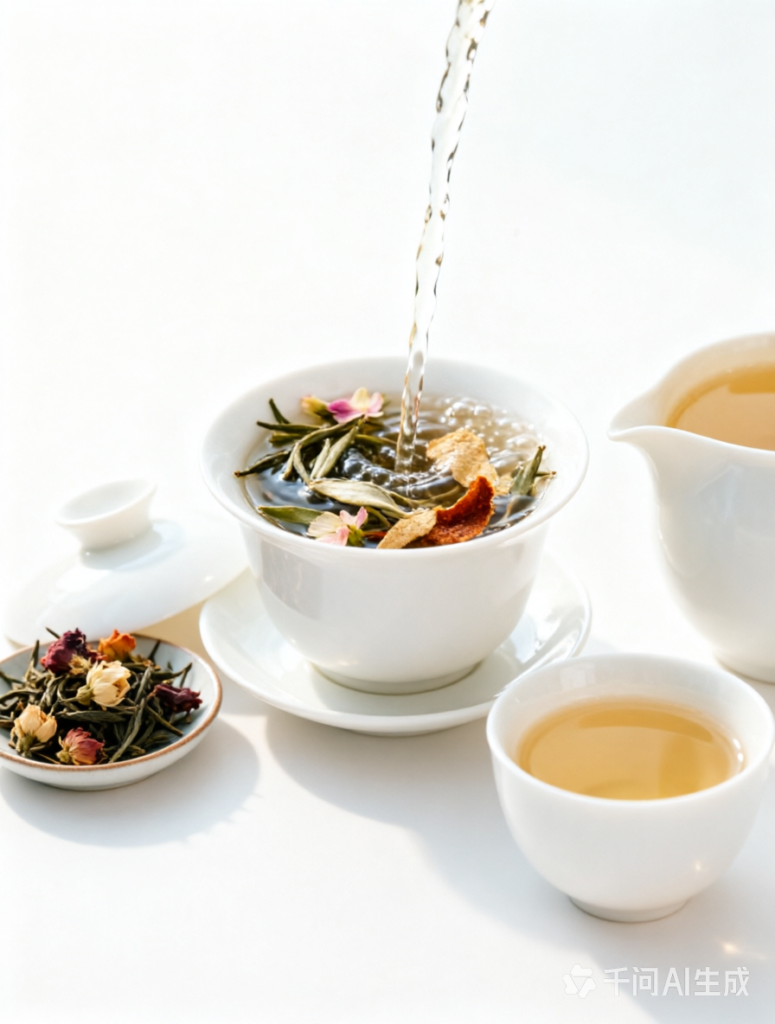
After entering autumn, dryness gradually emerges, causing dry throat and prone to stagnation in the spleen and stomach. At this time, tea lovers' favorite is a pot of warm and moist aged white tea with dried orange peel. When the aged aroma of Xinhui dried orange peel meets the mellow sweetness of Fuding aged white tea, the two blend together in boiling water, which is not only a feast for the taste buds, but also the most appropriate nourishment in autumn.
Why "old white tea + old dried tangerine peel"?
After years of aging, aged white tea transforms from cool to warm in nature, shedding its astringency and transforming into a mellow and throat-nourishing tea soup. Meanwhile, aged dried orange peel boasts the effects of regulating qi and stomach, dispelling dampness and reducing phlegm, effectively alleviating the dry throat and indigestion brought by autumn dryness. When combined, the two create a tea that is neither cold nor dry, nourishing yet not greasy, truly setting the standard for autumn health tea.
To brew this pot of tea perfectly, selecting the ingredients is the first step. It is recommended to prioritize aged dried orange peel that is over three years old. New peel tends to be dry and not suitable for long-term consumption in autumn. For white tea, we recommend Shoumei or Gongmei, which have thicker and older leaves. They are rich in pectin and sugars, withstand multiple brews, and offer a mellow taste.
Three ways to drink, tailored to suit your different moments
The combination of aged white tea leaves is highly versatile. It can be brewed or steeped, and different methods can evoke distinct flavors:
Daily office routine: Boil water with dried orange peel, then steep old white tea
If you are pressed for time or prefer a milder tea, you can first boil a small piece of dried orange peel for 2-3 minutes. After straining out the orange peel, use the boiled orange peel water to brew aged white tea. This way, the aroma of the dried orange peel gently blends into the tea, while the sweetness of the white tea remains intact, resulting in a refreshing taste that is neither bitter nor astringent.
Hosting guests at home: gaiwan quick-brewing, a blend of fragrances
Simply put the aged white tea and a small piece of dried orange peel into the white porcelain gaiwan, and pour in boiling water. For the first few steepings, allow the tea to steep quickly (5-10 seconds), and then extend the steeping time for the later steepings. This method is the easiest to operate, and the aroma blends well. As the tea becomes weaker towards the end of the steeping, you can transfer it to a kettle and continue to drink it, enjoying two flavors in one tea.
Sitting idly on a autumn night: brewing a pot together, filling the atmosphere with a cozy feeling
Autumn evenings, when there is leisure, are the perfect time to brew tea. First, boil the washed dried orange peel in cold water for 2 minutes to release its aged aroma. Then, add in aged white tea and simmer over low heat for 3-5 minutes. The brewed tea soup emerges in amber color, with the full release of medicinal and citrus fragrances. Taking a sip, it glides down the throat, gradually warming the stomach. Its effect of moisturizing the body and removing greasy feelings is excellent.
Tips for brewing and avoiding pitfalls
Golden ratio: Remember "5 grams of white tea with 1 gram of dried orange peel" (approximately the size of a small fingernail). Avoid using too much dried orange peel, as excessive amounts will overpower the citrus flavor and make it bitter, masking the original taste of the white tea.
Boiling water activation: Both aged white tea and aged orange peel require high-temperature activation, and it is essential to use 100℃ boiling water. Before brewing, it is recommended to quickly rinse the tea and awaken the peel with boiling water to wash away dust and awaken the aroma.
Avoid prolonged boiling: When brewing tea, avoid boiling it over high heat for an extended period, as this can easily result in a bitter and astringent taste.
Drinking taboos, be aware
Although aged white tea with dried orange peel has a mild nature, it is not suitable for everyone. People with yin deficiency and excessive internal heat (often experiencing hot palms and soles, dry mouth and throat) should not drink it excessively to avoid exacerbating their dryness sensation. Additionally, tea contains caffeine. Those prone to insomnia should try to drink it during the day and drink less before bedtime. For those prone to acid reflux, it is better to drink it diluted rather than concentrated, and avoid drinking large amounts on an empty stomach.