Dark Tea
Chunhai Kokang Ripe Brick: Mellow Warmth from a Borderland Secret
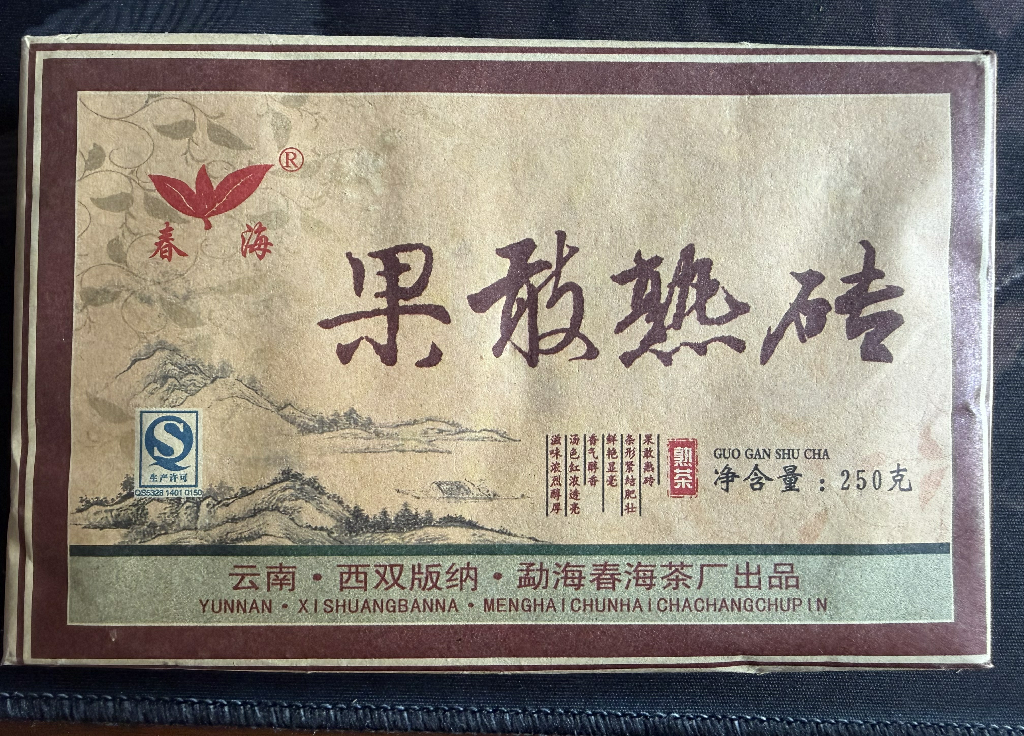
The weather has turned chilly lately, which makes it the perfect time for ripe pu-erh. I dug out a Chunhai Kokang Ripe Brick that I've been storing in my tea cabinet for quite a while and decided to write something about it. Not many people make Kokang tea to begin with, and ripe bricks are even rarer, so today let's talk about this somewhat "unusual" tea.
Kokang: More Than Just a Legend
Anyone who drinks tea has probably heard a story or two about Kokang. Sitting right next to Yunnan, it's one of the world's tea source regions, with tea trees that are mostly centuries-old ancient trees. Because the local economy is underdeveloped and transportation is cut off, the tea trees are basically left wild—no fertilizer, no pesticides—which actually preserves their most original flavor.
Interestingly, the Kokang tea region historically grew opium poppies on a large scale before switching to tea. Some say this gives Kokang tea a "captivating and mysterious aroma." There's no scientific proof for this claim, but Kokang tea does have a highly recognizable honey fragrance and a distinctive smoky charm.
So How Does This Brick Actually Taste?
Appearance and Aroma: The brick is neatly formed with tightly twisted, uniform leaves. Bring it close and you'll smell the aged aroma typical of ripe tea, but on closer inspection there's something different from ordinary ripe pu-erh—a hint of the honeyed sweetness unique to Kokang tea, calm and understated rather than showy.
Liquor Color and Mouthfeel: Once the boiling water hits it, the tea liquor is a rich, bright red, translucent like agate. The first sip feels mellow and smooth, with virtually no pile-fermentation odor. Kokang ripe tea is known for its sweet, mellow fragrance and lingering aftertaste. The liquor is full-bodied, and you can feel the strength of the cha qi on entry, yet it remains gentle and sweet.
By the middle infusions, the mellowness becomes even more pronounced and the returning sweetness starts to emerge. The ancient-tree material from the Kokang tea region is rich in soluble compounds, so even after fermentation into ripe tea, it retains plenty of layering. As you drink further, the sweetness gradually builds, and the tail-end water carries a light woody aroma—very pleasant.
Steeping Durability: Fifteen infusions or more is no problem. Though the later infusions are lighter, the sweet, moist quality remains—you hate to pour it out.
Why Is It Worth Trying?
Among ripe teas on the market, Menghai, Lincang, and Yiwu each have their own style, but the Kokang ripe brick is a different path altogether. Its material comes from borderland ancient trees, and it's processed using traditional pu-erh ripe tea fermentation and pressing methods—preserving both the terroir of the Kokang tea region and the gentle, easy-drinking virtues of ripe tea.
Of course, Kokang tea is scarce, and quality on the market varies, so finding a reliable source takes a bit of luck. This Chunhai brick is, at least among the Kokang ripe teas I've tried, a sincere effort.
If you're tired of conventional ripe pu-erh and want a change of pace, this tea is worth a try. When the weather turns cold, brew a pot—it warms your hands and your stomach, just right.