黑茶
Comprehensive Guide to Brewing Pu’er Tea
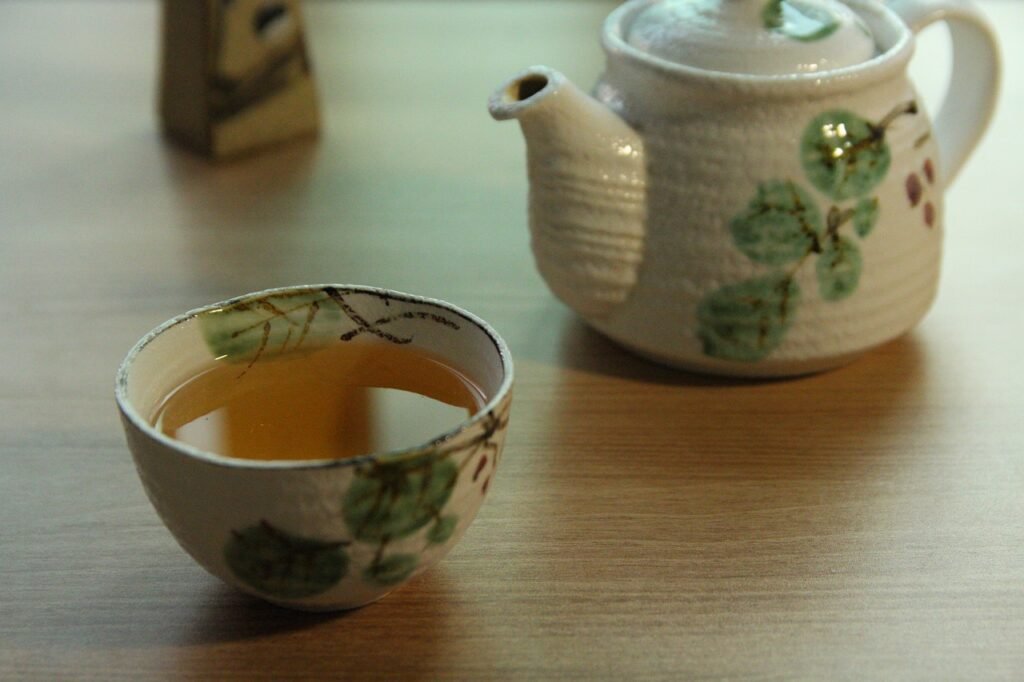
Pu'er tea, with its deep, earthy character and remarkable ability to age like fine wine, offers a brewing experience unlike any other tea. Its compressed cakes and bricks, along with its distinct raw (sheng) and ripe (shu) varieties, demand a thoughtful approach to unlock their full potential. This guide will walk you through the art and science of brewing the perfect cup.
Before You Begin: Preparation is Key
Unlike most teas, Pu'er typically comes in compressed forms. If you have a cake or brick, you'll need to pry off the leaves. Use a tea knife or pick and gently insert it into the edge of the cake, working it back and forth to loosen a small chunk. Try to peel the leaves off in layers to avoid breaking them too much, as broken leaves can release more bitterness.
The weight of your tea is crucial. A standard ratio for gong fu style brewing is 6 to 7 grams of tea for every 100ml of water. For a larger pot or a simpler brew, a general guideline is 3 to 5 grams for every 150ml of water. Feel free to adjust this based on your personal taste preference.
The Essential First Step: Rinsing (Washing) the Tea
The first step in brewing Pu'er is almost always a rinse. This serves two purposes: it cleanses the leaves of any dust that may have accumulated during aging and it "awakens" the leaves, preparing them for extraction.
For Ripe (Shu) Pu'er: A rinse is particularly important. Typically, you should rinse ripe Pu'er two times, each for about 15 seconds.
For Raw (Sheng) Pu'er: A single rinse of about 20 seconds is usually sufficient.
To rinse, simply pour boiling water over the leaves, let them sit for the recommended time, and then immediately discard the liquid. You can use this rinse to warm your teacups.
The Main Event: Brewing
1. Water Temperature
This is non-negotiable: Pu'er tea requires water at a rolling boil, around 95°C to 100°C (212°F). This high heat is essential for releasing the tea's complex aroma and deep, rich flavors. While it can be used for all Pu'ers, be mindful that very delicate, young raw Pu'ers can become bitter if brewed with water that is too hot; in that case, you can let the water cool for a moment after boiling.
2. The Gong Fu Method (Recommended)
The gong fu method, using a gaiwan or a small Yixing clay pot, is the best way to appreciate Pu'er's evolving flavors over multiple infusions.
The First Infusion: After rinsing, pour boiling water over the leaves. For a raw Pu'er, a very quick steep of 10-20 seconds is a good starting point. For a ripe Pu'er, you can start with a similarly quick steep. If you find the tea is too light or too dark, adjust your timing for the next steep.
Subsequent Infusions: With each brew, the leaves open up more, and the flavor profile evolves. You can generally increase the steeping time by 5-10 seconds for each subsequent infusion. Pay close attention to the color of the tea liquor and, most importantly, the taste.
Number of Infusions: A high-quality Pu'er is incredibly resilient. Most can be infused 10 to 20 times, with the flavor changing and deepening with each pour.
3. Tips for Different Types
Ripe (Shu) Pu'er: This type tends to release its color and flavor more quickly. To avoid a bitter brew, it's often recommended to "fast in, fast out" for the first several infusions, meaning you pour the water in and decant it almost immediately.
Raw (Sheng) Pu'er: This can be more sensitive to brewing time. Over-steeping can easily result in astringency. Start with very short steeps (as short as 3-5 seconds) and adjust gradually.
Choosing Your Teaware
Gaiwan (Covered Bowl): This is an excellent choice for beginners and experts alike. It's easy to use, allows you to observe the leaves and liquor, and is easy to clean. It provides a very pure and direct expression of the tea.
Yixing (Purple Clay) Pot: A classic choice for Pu'er. Its porous clay absorbs the tea's oils over time, which is believed to enhance the flavor of subsequent brews. It is highly recommended to dedicate one pot exclusively for ripe Pu'er and another for raw Pu'er to avoid mixing their distinct characters.
Porcelain/Glassware: Great for preserving the true aroma and flavor without any interference from the material.
Mastering these fundamentals will allow you to tailor each session to your exact liking. The true joy of Pu'er lies in the journey of discovery, as you experiment with tea-to-water ratios, steeping times, and teaware to find the perfect brew that speaks to you. Happy brewing!