Green Tea
How to Brew a Perfect Cup of Green Tea
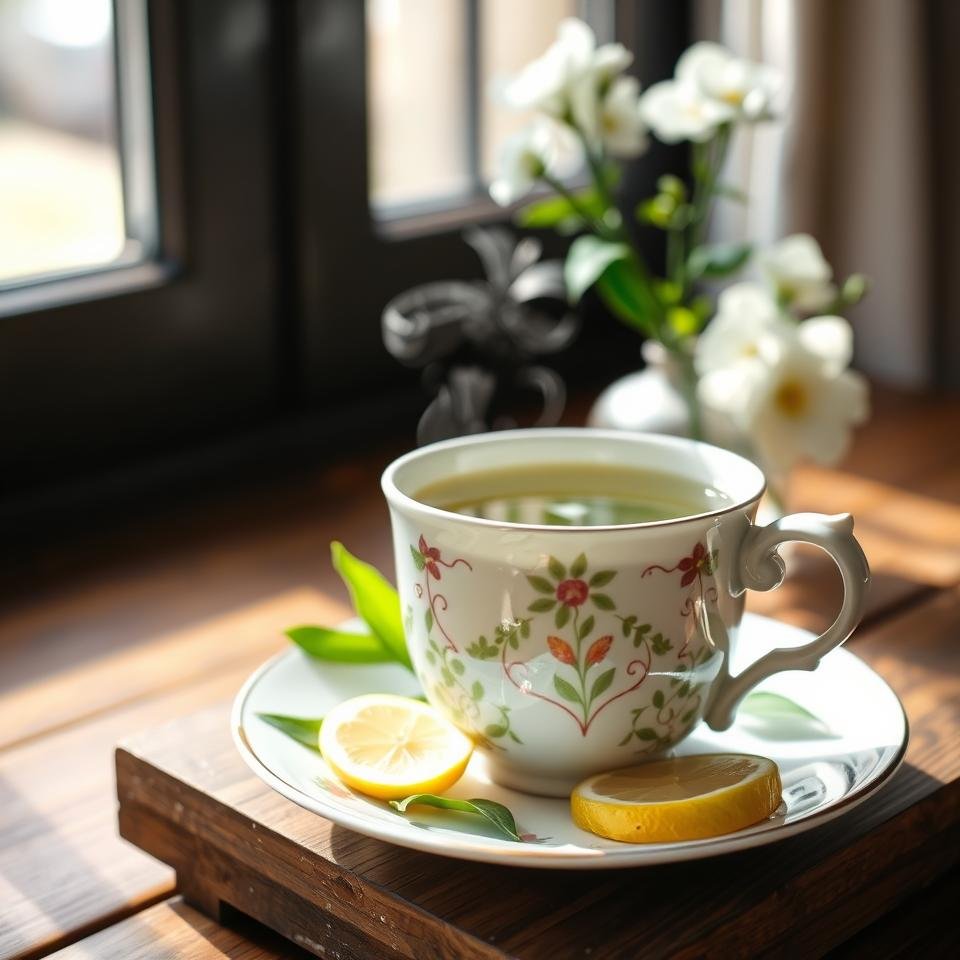
Green tea is one of the world's most beloved beverages—refreshing, delicate, and packed with antioxidants. Yet for many, the experience falls short: bitter, grassy, or simply disappointing. More often than not, the problem isn't the tea itself—it's how it's brewed. With a few simple adjustments, you can transform your cup from harsh to harmonious.
Why Green Tea Is Different
Unlike black tea, which can withstand boiling water and longer steeping, green tea is far more delicate. Its leaves are steamed or pan-fired shortly after harvest to halt oxidation, preserving their vibrant green color and fresh, vegetal character. This minimal processing means green tea's flavor compounds—particularly catechins—are easily over-extracted. Too much heat or too much time, and those pleasant notes turn bitter and astringent.
What You'll Need
- Loose-leaf green tea (or tea bags)
- Fresh, filtered water (never distilled)
- A kettle (preferably with temperature control)
- A teapot, mug, or infuser basket
- A timer
Step-by-Step Brewing Guide
Step 1: Heat the Water to the Right Temperature
This is the single most important step. Green tea should never be brewed with boiling water. Boiling water (212°F / 100°C) scorches the leaves, pulling out harsh bitterness and flattening the tea's natural sweetness.
The ideal range: 160°F to 180°F (70°C to 80°C). Most sources recommend about 175°F (80°C) as a safe starting point.
No thermometer? Bring water to a boil, then let it sit for 2 to 3 minutes before pouring. Alternatively, pour boiling water into your cup first, let it sit for a moment, then add the leaves.
Step 2: Measure the Tea
For loose-leaf tea, use about 1 teaspoon (approximately 2 grams) per 8-ounce cup of water. If you prefer a stronger cup, you can increase slightly—but be cautious, as too much leaf can also lead to bitterness.
For tea bags, one bag per cup is standard.
Step 3: Preheat Your Vessel
Warm your teapot or cup by rinsing it with hot water, then discarding it. This helps maintain a stable brewing temperature and prevents the water from cooling too quickly when it hits the vessel.
Step 4: Pour and Steep
Place the tea leaves (or bag) in your vessel, then gently pour the heated water over them. Cover to retain heat.
Steep for 2 to 3 minutes. This is the sweet spot for most green teas.
- 2 minutes yields a lighter, more delicate cup
- 3 minutes gives more body and depth
Set a timer—it's easy to lose track, and oversteeping is one of the most common mistakes.
Step 5: Remove the Leaves
Once steeping is complete, remove the leaves or tea bag immediately. If left in the water, the tea will continue to extract tannins and catechins, turning bitter. Don't squeeze the bag or press the leaves—this releases additional bitterness.
Step 6: Serve and Enjoy
Pour your tea into a cup and enjoy it plain to appreciate its natural flavors. If desired, you can add a slice of lemon, fresh mint, or a light drizzle of honey—though many purists prefer it unsweetened.
Japanese vs. Chinese Green Teas
Not all green teas brew the same way.
Japanese green teas (like Sencha and Gyokuro) are steamed and highly delicate. They typically brew best at lower temperatures (140°F–175°F / 60°C–80°C) for shorter times—around 2 minutes. Gyokuro, in particular, prefers water around 60°C (140°F).
Chinese green teas (like Dragon Well / Longjing and Gunpowder) are pan-fired and more forgiving. They can handle slightly higher temperatures (175°F–185°F / 80°C–85°C) and steep for 2 to 3 minutes.
Common Mistakes to Avoid
Mistake Why It Hurts Fix
Using boiling water Scorches leaves, creates bitterness Cool water to 160–180°F
Oversteeping Extracts bitter tannins Set a timer for 2–3 minutes
Using too much leaf Overpowering, bitter cup Use 1 tsp per 8 oz
Reusing stale water Flat, dull flavor Always use fresh water
Squeezing the bag Releases bitterness Let it drip gently
Pro Tips for an Even Better Cup
Use fresh, filtered water—chlorinated tap water can flatten green tea's delicate flavors.
Don't microwave your water—it heats unevenly and can affect taste.
Quality matters—loose-leaf tea generally offers richer, more complex flavor than bagged tea.
Store tea properly—keep green tea in an airtight container away from light, heat, and strong odors. Green tea degrades faster than black tea, so buy in smaller quantities and use it fresh.
Re-steep your leaves—many high-quality green teas can be steeped 2 to 3 times. For subsequent infusions, add 30 to 45 seconds to the steeping time.
Final Thoughts
Brewing excellent green tea isn't complicated—it just requires attention to a few key details. Temperature, time, and quality are the three pillars. Master these, and you'll unlock a world of fresh, vibrant flavors: gentle sweetness, grassy notes, soft florals, and a clean, satisfying finish. The perfect cup is closer than you think.